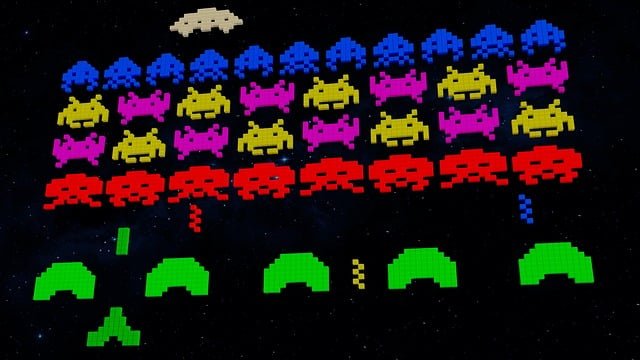
With the proliferation of gaming computers, the landscape of players transformed in ways that would have been unimaginable a few decades ago. Classic games like those timeless titles and tabletop experiences that have entertained generations, and now we’re experiencing a renaissance in the digital realm. No longer confined to the dusty shelves or even the deep recesses of a nostalgic individual’s memory, these games are thriving online, connecting people across continents, proving that great gameplay never goes out of style.
The Evolution of Play
Classic games have always held a special place in our hearts, whether it was the strategic battles of chess, Scrabble and its wordy duels, or the intricate tile matching of mahjong. These games were once the centerpiece of family gatherings and friendly competitions.
As technology has advanced, many people worry that these analog experiences may fade into obscurity, replaced by flashy new titles and more sophisticated consoles. In fact, the opposite has happened, with the rise of powerful gaming computers, high-speed internet, and intuitive mobile devices, which have breathed new life into old games.
Today, millions of players log in daily to play digital versions of chess, Sudoku, mahjong, sometimes with friends next door, sometimes with strangers halfway around the world, and sometimes all by themselves.
The Power of Nostalgia and Reinvention
The most important thing to remember is that nostalgia is a very prominent marketing tool. Therefore, even the most cynical can hardly be surprised that many of the most popular digital games are those that come with a rich history.
Developers have tapped into this nostalgia, creating faithful recreations, remasters, and sometimes bold reimaginings of classic titles, but this renaissance isn’t just about looking back, but about reinventing these games for a whole new era.
A game like mahjong still endures. Mahjong originated in China centuries ago, with four players scattered around a table, shuffling and stacking tiles in a ritual which was as social as it was strategic. Now, mahjong online has introduced the game to a global audience. This tactile pleasure of the tiles may be gone, but the thrill of the game itself and the surrounding community remain stronger than ever.
How Gaming Has Become More Accessible and Inclusive
One of the most exciting aspects of the digital renaissance is how it’s made classic games more accessible than ever. In the past, enjoying a game of mahjong or chess may have required a dedicated set, a group of willing players, and a shared understanding of the rules.
These days, anybody with a smartphone or a computer can jump in, thanks to user-friendly interfaces, tutorials, and even AI opponents to help players learn the ropes. This accessibility has broken down barriers in so many different realms, from age, geography, and even language!
Grandparents can play Scrabble with grandchildren living overseas, and fans of Japanese shogi can find opponents in a whole other continent, and thanks to features like translation tools and voice chat, players can connect and communicate in ways that were once impossible.
The Social Side of Digital Classics
Some fear that moving classic games online would strip away the social essence, but in fact the opposite has proven true. Digital platforms have found innovative ways to foster community. Whether it’s online lobbies, chat rooms, or forums, players can share strategy, celebrate victories, and even organize real-world meetups.
Many platforms host regular tournaments and events, complete with leaderboards and prizes, which has added a new layer of excitement and motivation, encouraging players to hone their skills and strive for even greater mastery. Online global tournaments have attracted thousands of participants, each vying for the top spot.
The Preservation and Expansion of Cultural Traditions
Digital platforms of play play a key role in preserving unique cultural variations of classic games. With games like mahjong, there’s dozens of regional rule sets, and online platforms often allow players to choose their preferred variant or learn new ones, keeping those ancient traditions alive and introducing them to new audiences.
This is where chess platforms are very similar, as they offer everything from standard games to the historical variants like Fischer Random, while digital versions of card games like poker and bridge can cater to both casual and seasoned players, ensuring there is diversity and relevancy to these classic games.
AI
One of the main factors in the digital renaissance of classic games is the integration of AI. AI opponents provide a valuable training ground for new players and a formidable challenge for veterans, and in fact AI has even pushed the boundaries of what’s possible in these games. In chess, AI engines such as AlphaZero and Stockfish have not only defeated world champions, but have also inspired new lines of play and a deeper understanding of the game.
Many people bemoan the internet and how it is detrimental to society, but in games like chess or mahjong, it’s a very quick way to refine skills, something that may have taken grandmasters decades to overcome in the purely human realm of gaming.
The Value of Gaming on the Go
Of course, we’ve all got a mobile in our pocket, and classic games are now available on smartphones and tablets, meaning players can enjoy quick matches, which have become global phenomena in their own right.
The fact is, the simplicity and accessibility of these games make them perfectly positioned for casual players, while deeper features and ranges of competitive modes can cater to enthusiasts.
What Is the Future of Classic Games?
As technology continues to evolve, so will the ways we play and experience these games. The fact is that while there’s an abundance of new and exciting designs and features, the one constant is the enduring appeal of great gameplay.
The digital renaissance of classic games is not just a trend, but it’s a celebration of the creativity, strategy, and community that have defined gaming at its very best. Whether you’re a lifelong fan or a curious newcomer, there’s never been a better time to discover the joy of classic games.