The gaming industry is an ever-evolving field, with technology allowing for more immersive experiences every day. One particular area that has been revolutionized by technological advancements is lottery gaming. Big data analytics have had a tremendous impact on the lottery gaming space. It provides operators and players with insights and opportunities to maximize their profits.
We are going to examine how big data analytics are transforming the lottery gaming industry. We will take a look at some examples of their impact on operators and players. We will also discuss the challenges that come with integrating big data analytics and the potential benefits for end-users. You can also see the guide on how to choose best gaming laptops for yourself.
Mobile Gaming

Mobile gaming has become popular due to the growth of smartphones and tablets. It allows gamers to access games anytime, anywhere. This trend has opened up new opportunities for developers and publishers. It continues to grow in popularity, and it is no surprise why. With the increased accessibility of mobile devices, gamers can access games anytime and anywhere. Mobile gaming has created new chances for developers and players. They give immersive experiences and innovative forms of play like augmented reality, virtual reality, and interactive storytelling. Online platforms like 1xBet have taken advantage of this trend, offering lotto gaming on their mobile app.
The success of mobile gaming is clear, with more gamers than ever turning to their phones and tablets for entertainment. The impact of these devices on the industry has been profound, and they show no signs of slowing down anytime soon.
Virtual and Augmented Reality
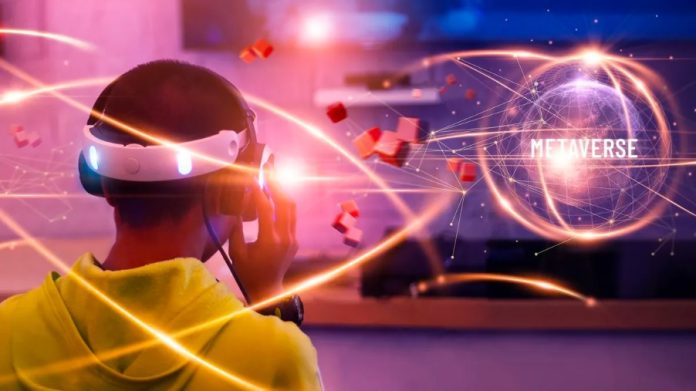
VR and AR are new technologies in gaming. VR creates a virtual world that feels real, while AR enhances reality by adding digital elements to it. These technologies allow gamers to explore and interact with simulated environments. On the other hand, AR overlays digital elements onto the real world making it more interactive. It allows gamers to play their games in real settings while still experiencing an augmented version of reality.
The future of VR and AR gaming looks very promising. Gaming companies are creating advanced immersive experiences with improved graphics and storylines. VR and AR use will increase, allowing players to explore real-world settings in a simulated environment. This technology may also be used to create virtual versions of cities and new gaming environments. As technology advances, gamers will have the ultimate immersive gaming experience.
Artificial Intelligence
AI in gaming refers to computer algorithms that imitate human thought processes. It makes games more challenging and competitive for players. AI opponents adapt to player actions, making them more exciting than traditional ones.
It can bring several benefits. It introduces unpredictable elements, and make games more interactive. Additionally, AI-driven opponents can provide players with a more human-like experience.
On the other hand, there are some potential drawbacks to using AI in gaming as well. AI-driven opponents can create challenging situations for players because their responses are unpredictable. However, they may also struggle to adapt to unexpected player actions. This can negatively impact the game’s balance. Implementing AI can be costly, which may be a challenge for developers working with limited budgets.
Cloud Gaming
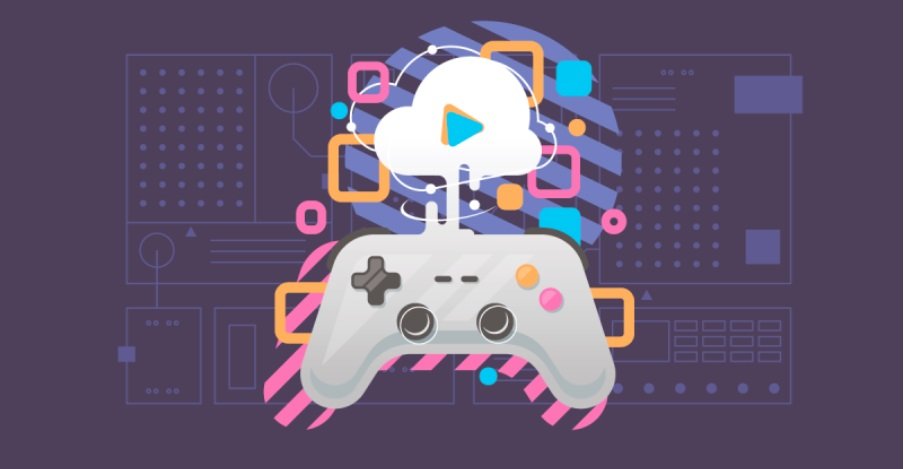
Cloud gaming is a relatively new gaming technology. It allows gamers to play games remotely without the need for a high-end gaming computer or console. It works by streaming games from a remote server to the player’s device, whether it be a computer, phone, or tablet.
One potential benefit of cloud gaming is that it eliminates the need for expensive hardware. This makes gaming more accessible to a wider audience. It also allows players to switch between devices seamlessly, as their game progress is stored in the cloud.
There are also potential drawbacks. This includes the need for a stable and fast internet connection, which can be a challenge for some users. Cloud gaming is heavily reliant on the quality and performance of the remote server which can impact the overall gaming experience.
Blockchain Technology
Blockchain technology provides transparency and security in game development and gameplay. It is a secure and transparent decentralized ledger that stores records and transactions. Blockchain increases security and transparency. It gives players greater control over their digital assets. They can track ownership, trade items with other gamers, or transfer them between games. Blockchain-based games allow developers to build trust and transparency, and players can view the game’s rules.
Final Thoughts
It is essential to keep up with tech trends in gaming as they have a significant impact on the industry. They help players, developers, and publishers to identify new opportunities. Follow these steps to stay informed on the latest tech trends:
- Follow gaming news websites and blogs.
- Join online gaming communities.
- Attend gaming industry events.
- Follow industry thought leaders on social media.
- Participate in online courses and webinars.