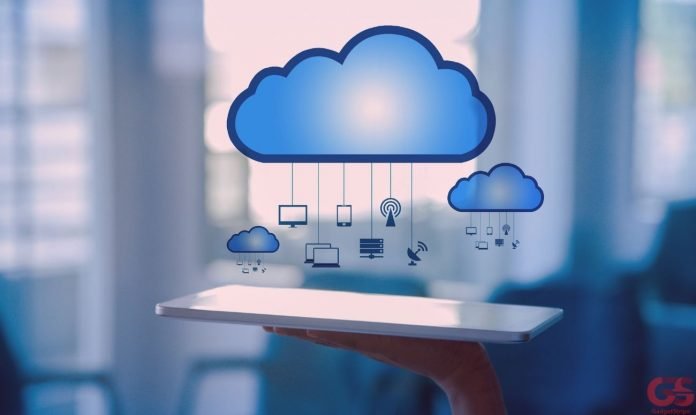
Remote servers that allow for storage and computing solutions are now becoming ubiquitous in the business world. This article takes a look at some of the reasons why.
Remote Working
The pandemic has led to an increase in the number of companies that have adopted remote and hybrid working solutions. These solutions require employees to be able to access resources from their homes. Cloud computing and storage allow workers to take the office home with them and access all of the resources at the disposal of a business.
Growth
Unlike traditional on-site storage and computing solutions, cloud technology allows companies to grow their IT infrastructure alongside their company with minimal cost and complexity. Instead of installing new servers when needed, a company can simply purchase more space on the cloud. This makes growth far less costly for emerging businesses that otherwise would not be able to afford new servers of their own.
Flexibility
Cloud storage and computing are far more flexible than traditional on-site server-based solutions. Companies like avepoint.com offer a diverse range of cloud management solutions. Businesses can choose whether to opt for public servers, private off-site servers, private on-site servers, or a hybrid system. Hybrid cloud computing and storage are proving to be very popular for large, security-conscious businesses.
This approach involves a combination of on-site and off-site private cloud servers. This means that if one kind of cloud is compromised, the other has a far smaller chance of being compromised as well. This kind of failsafe is very important for companies that require large amounts of data storage and remote computing capabilities in order to operate.
Security
Cloud security is improving at a rapid pace. End-to-end encryption is now standard. End-to-end encryption ensures that data is ‘scrambled’ when in transit and can only be accessed by parties that are in possession of the right decryption keys. Multi-factor authentication is also becoming a ubiquitous security feature. End-users need to provide both passwords and another form of identification. Usually, this is biometric information unique to an end-user or confirmation via a piece of hardware like a mobile phone. Cloud service providers are keen to offer the most airtight security to clients in order to continue turning a profit, so the responsibility for arranging security protocols is usually placed upon their shoulders. This makes the work of in-house IT professionals far easier.
Automation
Businesses are always attempting to automate digital processes in order to cut down on workload and make the most of the workforce and time that they have. Cloud computing and storage are well suited to the automation of tasks. One of the most significant kinds of automation in cloud computing and storage is backup. Cloud services can automatically back up important data, which keeps it safe in the event of a security breach. Businesses need to accept that security breaches are a fact of life, which means that backing up files is a no-brainer. With the right information to hand, you’ll be best placed to stay safe online.