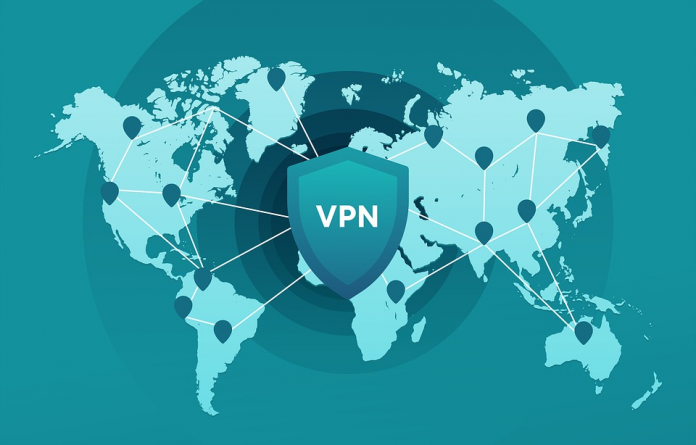
Are you planning to use a VPN? You are not sure where to start, or you are confused about what they do? Let’s look at the top myths about VPNs and why they are simply not true.
The reality of VPN security myths

A VPN (Virtual Private Network) is a network that can imitate a private network when you are using a public one. Learn more here.
We will analyze what people usually say about VPNs and get more clarifications regarding the misconceptions that may be circulating about them. When you consider the number of risks that are present when surfing the Internet and how easy it is to protect yourself from them by using a VPN, the ignorance that exists about it can be considered a plague. So, here is a little more about the many often erroneous myths that circulate about VPNs.
A VPN will slow down your Internet connection
While it is true that a VPN can slow down your Internet connection, this is not always the case. The amount of slowdown also depends on the settings you choose and the speed of your VPN, but this decrease will usually be too small to really impact your user experience if you are just browsing the Internet.
Another reason for this latency is due to the server your traffic must pass through to be decrypted, but depending on the country you choose, you may not notice any difference. If your traffic goes through a foreign country, your latency will suffer. However, if you select a server located in your own country, the slowdown will hardly be noticeable.
There are also a few scenarios in which you might even benefit from higher connection speeds by using a VPN. To restrict data traffic, ISPs need to be able to access your actual traffic, which they cannot do when it is encrypted. If providers cannot restrict your throughput, then you will enjoy faster Internet access.
I don’t need a VPN if I’m not doing anything illegal online
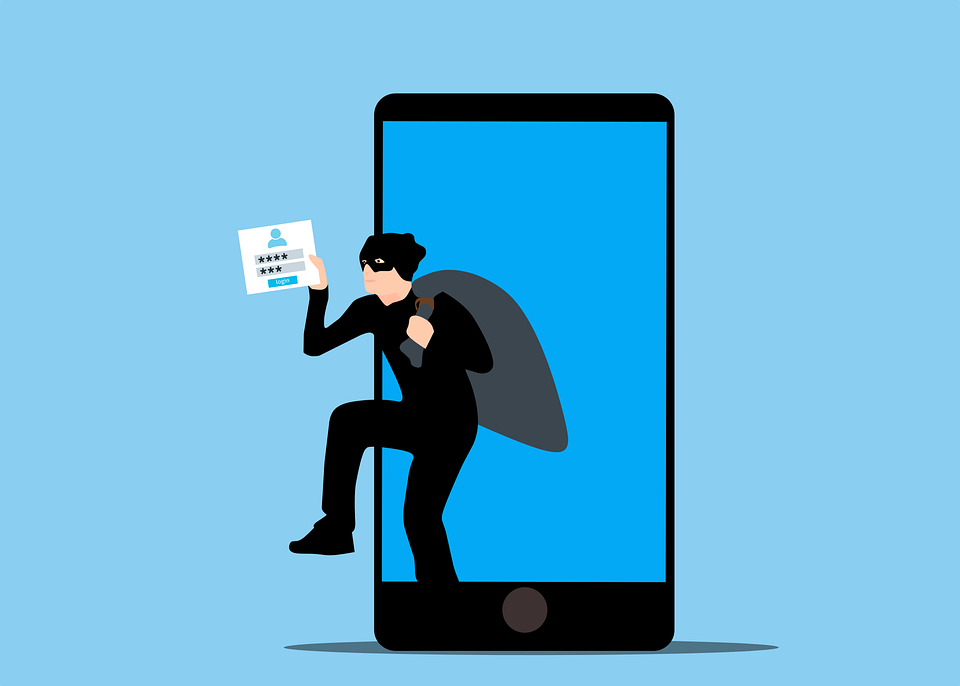
One of the most common misrepresentations about VPNs is that it’s only necessary when the legality of your online activity is in question. For example, when you are accessing geotagged video content that is not available in your area or circumventing legal barriers in your country. While a VPN can help in these cases, it is not really the most important reason to use one.
VPNs are designed to encrypt your communication, thus securing your data. So, whenever you feel like your data security might be compromised, use a VPN apps. A good reason to connect to a VPN is when you are banking online using a public Wi-Fi network. In fact, you should always use a VPN whenever you are connected to public Wi-Fi.
VPNs are for geeks only
The technology behind VPNs may seem a bit mysterious, but you can usually get in touch with their customer support for help. Simply used, there are extremely good features that can ensure a quick, simple, and secure connection.
After all, you are probably reading this article on a computer, smartphone, or another connected device, and unless you are a technical expert, you probably would not be able to explain the technology that makes your device work. Even though you are not sure of the way it works, that does not stop you from enjoying the full benefits of a VPN, isn’t it?
I use a VPN, so I can do anything!
VPNs offer a high level of security, safety, and anonymity on the Internet. When you connect to a VPN server, you ensure that your data can only be received and read by the intended recipient via a connection that is nearly impossible to detect. This protects you from a wide variety of Internet threats, but not all. A VPN protects you from outside attacks, but not from those you yourself bring in.
Hence, using a VPN does not mean you can abandon the use of Internet best practices and go to any website, thinking you are safe. If you go to a corrupted website, or open a corrupted email, or do any other suspicious activity on the Internet, you open the door to every possible type of attack.
So, using a VPN cannot protect you from yourself in the same way that a seatbelt cannot help you if you decide to drive off a cliff. Be smart, always use your Internet best practices, including those that deal with malware protection, firewalls, email filtering, and avoid performing sensitive tasks on public Wi-Fi networks.
Only criminals and hackers use VPNs
Yes, cybercriminals and hackers use VPNs, but they are far from the only ones who benefit from the online security and relative anonymity that this solution allows. Here are other categories of Internet users who regularly use VPNs:
· Frequent travelers to secure their connection on public Wi-Fi networks.
· Citizens of repressive countries who use VPNs to circumvent censorship and exchange information.
· Foreign students and employees who must spend long periods of time in another country and may not be able to access geo-restricted sites or services.
· Journalists who want to search for information safely without fear of retaliation.
· Professionals who work with sensitive data or trade secrets that need to be secured.
· Anyone who values their security and privacy online.
Any person who values their online security and privacy need the best VPN!