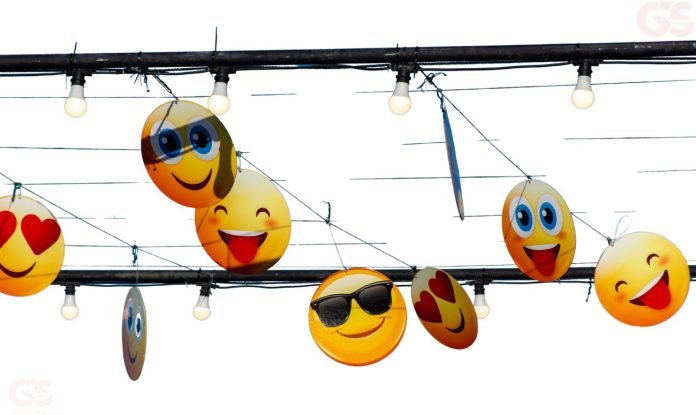
Emojis have become part of our communication recipe on the internet. They are more than just colorful icons; we use them nowadays to convey emotions, ideas or even communicate in a way unique to our group of friends or team at work. According to ExpressVPN, there are over 3600 emojis available on various platforms, and it is estimated that more than 10 billion emojis are used every day. Today we are sharing the hidden meaning of emojis and why they have become popular over time.
The 7 Hidden Meanings Of Emojis
1. Universal Language
Language can become a problem when communicating with someone from a different background. Emojis transcend language barriers as they stay the same no matter who you communicate with. When you send the heart icon to anyone worldwide, they know what you mean. The universality fills in a gap in terms of communication, and it also fosters a sense of connection and understanding among diverse groups. It also reduces misunderstandings among people.
2. Enhancing Emotional Expression
There are times when words fail to express how we feel. Emoji’s let you show how you feel while having a text-based conversation. With a single tap, they allow you to convey sadness, happiness, love, frustration, and many other emotions. Saying a smile can transform a chat and make it instantly friendly. If you send a straight face, the other party will also understand that you are unhappy with the conversation.
3. Simplifying Communication
Emojis can be used nowadays to make a conversation faster. You can replace an entire sentence by using an Emoji. The method is often used by individuals who want quick and concise communication. Using Emojis makes communication simple, especially when you don’t have enough time to type long sentences.
4. Contextual Subtleties
Emojis have the power to add context to our messages. They can hint at our tone, intent, or any meaning to our words. Let’s say you send the Thumbs Up Emoji to someone; it can signify approval or a well-done. It can mean sarcasm or humor if you also send a wink face. These little things make communications more precise and clear and ensure there is no misinterpretation when having a conversation.
5. Conveying Non Verbal Cues
In a face-to-face conversation, we rely on gestures, facial expressions, and body language to understand nonverbal cues. Emojis are the digital representatives of nonverbal cues since the persons we mostly text can’t read our body language or see our facial expressions. They add personality, emotion, and emphasis to our words, allowing us to create the richness found in offline interactions.
6. Visual Engagement
Emoji’s color, creative design, and expressive faces capture the attention and make text-based communication visually engaging. They break the monotony of plain text, making text-based communication more appealing and memorable. We, humans, are visual beings, and emojis capitalize on that by creating visual stimulation.
Rounding Up
Emojis have changed how we communicate online and will continue to become part of our lives. Our reliance on digital communication is seemingly nonstop, and emojis will only get better. The next time you send someone an emoji, remember it has meaning to it and the power it holds in improving your communication.