
Unlocking Business Value: The ROI of Managed Quality Assurance
As businesses strive to deliver flawless applications, the question arises: Should you entrust your QA processes to experts? The answer lies in understanding the economic benefits and ROI associated with managed quality assurance. In this comprehensive guide, we delve into its tangible and intangible advantages, from cost savings to improved product quality, and explore how this strategic investment can propel your business forward.
Why should quality be managed: economic impact
Software defects are more than mere glitches—they’re financial sinkholes. Imagine a critical bug slipping through the cracks and wreaking havoc post-launch. The cost? Lost revenue, tarnished reputation, and dissatisfied customers.
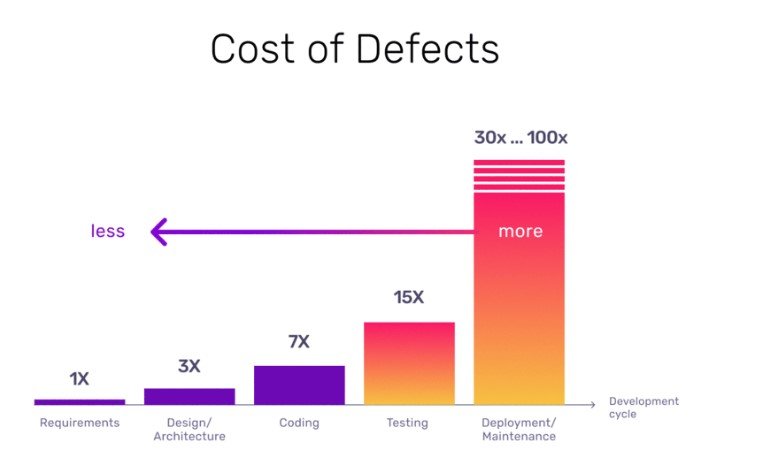
Some defects put lives at risk. While it’s impossible to fully quantify the cost of such failures, they remain a critical concern. For instance, flawed safety-critical programs in aviation, healthcare, or automotive can have catastrophic consequences.
In 2017, program failures cost the world economy a staggering $1.7 trillion in financial losses alone. These losses ripple through industries, affecting businesses of all sizes. Defects lead to downtime—a silent thief stealing productivity. The cumulative total of downtime caused by these failures amounted to 268 years. Imagine the lost opportunities, disrupted operations, and frustrated consumers.
In 2018, poor-quality engineering cost organizations a staggering $2.8 trillion in the United States alone. This figure encompasses lost revenue, rework expenses, and missed market opportunities. The technical debt residing in severe defects that need correction would be approximately $1.31 trillion (minus interest) in the U.S. for 2020. This debt accumulates over time, affecting long-term sustainability.
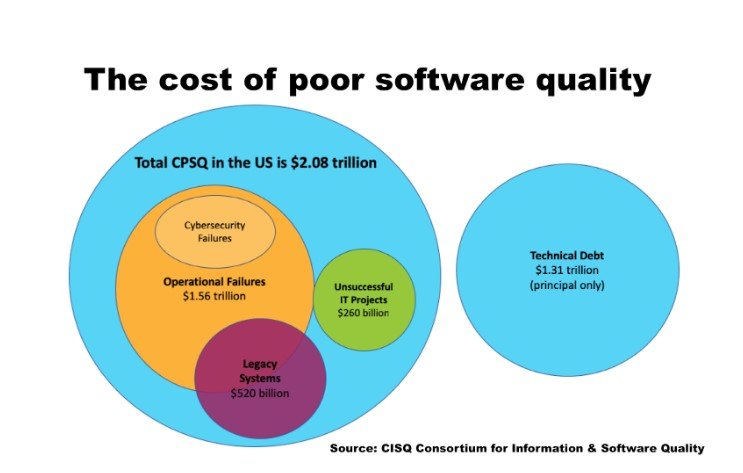
Managed quality assurance acts as an insurance policy against software disasters. By identifying vulnerabilities early, it reduces the likelihood of catastrophic failures. Fewer failures mean fewer emergency patches and fewer customer complaints.
A brief concept introduction
Managed quality assurance transcends mere testing—it’s a holistic approach. Imagine a seasoned team meticulously examining your product and scrutinizing every nook and cranny. They’re not just bug hunters; they’re architects of excellence. Their mission? To ensure your platform functions flawlessly and seamlessly aligns with your goals.
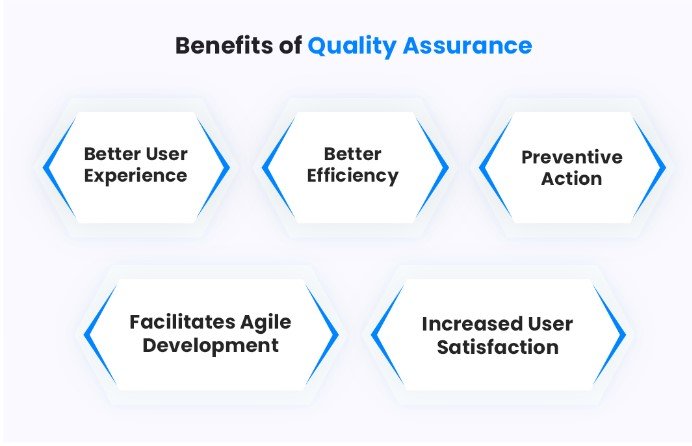
So, why should quality be managed? It’s all about the orchestration—the harmonious blend of strategy, precision, and foresight. Moreover, it’s about proactive risk management, early defect detection, and optimizing resources. It’s the art of transforming chaos into clarity, bugs into breakthroughs. More specifically, it’s about the following merits:
Early detection, lasting impact
Managed quality assurance acts as a sentinel, standing guard at the gates of engineering. Identifying defects early—during requirements analysis, design, or coding—prevents them from proliferating downstream. The ripple effect is profound: reduced rework, minimized costs, and accelerated time-to-market.
Risk aversion and business resilience
In the digital arena, risks lurk in the shadows—security breaches, performance bottlenecks, and compatibility glitches. Managed quality assurance is the armor that shields against these perils. By rigorously assessing software under diverse conditions, it fortifies the system’s resilience, safeguarding business reputation and customer trust.
User-centric excellence
Apps exist to serve users, and their satisfaction is the ultimate litmus test. With managed quality assurance, you guarantee that the UX transcends mediocrity by scrutinizing usability, accessibility, and responsiveness, weaving a seamless tapestry of delight for end-users.
Compliance and industry standards
In a labyrinth of regulations and standards, managed quality assurance is the compass. It navigates through compliance requirements—whether related to data privacy (GDPR), accessibility (WCAG), or industry-specific norms. By adhering to these benchmarks, products gain credibility and avoid legal pitfalls.
Calculating ROI: a strategic approach
If you want to know whether QA management services will pay off for your project, perform the following calculations.

First, explore these fundamental metrics:
- Cost savings related to defect fixing, rework, and post-release support. Quantify the cost savings achieved by outsourcing QA services.
- Efficiency gains: Consider the time saved by having experts handle QA. Calculate the hours saved in testing, bug identification, and test case execution.
- Improved quality: Measure the reduction in defects post-implementation. Higher quality translates to happier users, fewer support requests, and enhanced brand reputation.
Then, collect relevant data:
- The costs of managed quality assurance: Determine the expenses associated with these services. Include personnel costs, tool licenses, and any external providers.
- Historical defect costs: Analyze past defect-related expenses (e.g., bug fixes, customer support). This serves as your baseline.
- Project duration: Estimate the time period for which the services will be in place.
After that, calculate cost savings:
- The costs of managed quality assurance: Subtract the total costs from the historical defect costs. This gives you the direct cost savings.
- Indirect savings: Factor in the time saved due to efficient processes. Multiply the saved hours by the hourly rate of engineers.
Assess efficiency gains by calculating the difference in testing time between in-house and managed quality assurance. Multiply this by the hourly rate to quantify efficiency gains.
Subsequently, evaluate improved quality by comparing the number of defects found during in-house versus managed quality assurance. Fewer defects mean improved quality.
Lastly, calculate ROI and interpret the result:
- Total benefits: Add up the cost savings, efficiency gains, and quality improvements.
- Total costs: Sum the managed QA costs.
- ROI formula: ROI = ((Total Benefits – Total Costs) / Total Costs) × 100
A positive ROI indicates that managed QA is financially beneficial. A negative ROI suggests reconsideration. Remember, ROI isn’t just about numbers; it’s about strategic decision-making. Managed quality assurance isn’t an expense—it’s an investment in excellence.
Choosing the right managed QA partner: a strategic decision
After answering this question for yourself: “Why should quality be managed?” and making sure that turning to this approach will be nothing but beneficial for you and your team, it’s now time to handpick an outstandingly performing tech partner. Let’s plunge into the factors that should guide your choice:

Expertise and domain knowledge
Assess the provider’s expertise in QA. Do they specialize in specific domains (e.g., healthcare, finance, e-commerce)? A deep understanding of your industry ensures relevant testing strategies.
In the course of an interview, scrutinize their technical skills. Are they well-versed in various testing methodologies (functional, regression, performance, security)? Look for certifications and real-world project experience. To illustrate, well-versed companies like Andersen boast over 30 complex IT initiatives supervised end-to-end and all major industry-recognized certificates, e.g. from AWS, Microsoft, relevant ISO certifications, and so on.
Scalability and flexibility
Consider your growth trajectory. Can the provider scale their services as your software evolves? A partner who adapts seamlessly to changing demands ensures long-term collaboration. Understand how they allocate resources. Will you have dedicated engineers or a shared pool? Clarity on resource availability is crucial.
Communication and collaboration
Communication gaps can derail projects. Evaluate their communication channels—email, chat, video calls, dedicated platforms like Microsoft Teams and Jira. Prompt responses and transparent updates foster a healthy partnership.
Do they integrate seamlessly with your development team? A collaborative approach ensures alignment, reduces friction, and accelerates managed quality assurance cycles.
Cultural fit and time zones
Shared values and work ethics matter. Assess cultural fit—do they align with your organizational culture? A harmonious partnership leads to smoother interactions. If your team spans different time zones, consider overlapping hours. A provider with this type of work hours ensures real-time collaboration.
Quality metrics and reporting
What metrics do they track? Look beyond bug counts—focus on defect severity, test coverage, and user satisfaction. A data-driven approach enhances decision-making. Regular reports on testing progress, defect trends, and test coverage are vital. Transparency builds trust and keeps you informed.
Cost and ROI
Last but not least, understand their pricing model—hourly rates, fixed contracts, or outcome-based pricing. Balance cost with quality. During the discovery phase, avail yourself of the prowess of accomplished business analytics to calculate ROI. Factor in cost savings, efficiency gains, and improved software quality. A positive ROI justifies the investment.
To sum up, remember that your tech partner isn’t just a vendor; they’re an extension of your team. Prioritize expertise, communication, and cultural alignment. A well-chosen partner ensures not only bug-free products but also a smoother journey toward your ambitious goals.
Implementing managed quality assurance: best practices
Transitioning to a third party for these services is akin to renovating a house—you need a solid plan, the right tools, and a skilled team. Let’s plunge into some best practices for a successful implementation:

Assess your current landscape
Before diving in, take stock of your existing processes:
- Identify gaps in your current QA setup. What’s working well? What needs improvement? Understand pain points and bottlenecks.
- Document existing workflows. This serves as a baseline for comparison.
Set clear objectives
Define your goals for managed quality assurance:
- Is your primary goal to improve software quality? Specify the quality metrics you aim to achieve.
- Are you looking to reduce costs? Quantify the expected savings.
Select the right provider
Choosing the right tech partner is pivotal:
- Assess potential providers based on expertise, scalability, communication, and cultural fit (as discussed earlier).
- Investigate their track record, client testimonials, and case studies. Look beyond marketing pitches.
Communication and collaboration
Effective communication ensures a smooth transition:
- Involve key stakeholders—engineering units, project managers, and business owners. Align their expectations with managed quality assurance objectives.
- Keep everyone informed about the transition progress. Transparency builds trust.
Address common challenges
Managed quality assurance isn’t without hurdles. Here’s how to overcome them:
- Some team members may resist the shift. Communicate the benefits clearly and involve them in the process.
- The seamless integration of managed quality assurance requires substantial effort. Define integration points, data flows, and collaboration channels.
- Ensure that the resources are allocated appropriately. Balance in-house and managed efforts.
Pilot testing
Before full-scale implementation, run a pilot:
- Choose a project that reflects typical scenarios. Pilot testing helps iron out kinks.
- Assess the pilot’s success. Gather feedback from stakeholders and adjust as needed.
Training and knowledge transfer
Equip your team for the change:
- Conduct training sessions for in-house teams. Familiarize them with managed processes and tools.
- Ensure knowledge transfer from the provider. Document best practices and lessons learned.
Continuous improvement
Managed quality assurance isn’t a one-time event:
- Establish a feedback mechanism. Regularly review processes, gather insights, and adapt.
- Compare performance against industry standards. Strive for continuous excellence.
To sum up
As the digital landscape evolves, businesses find themselves at a crossroads—how to balance innovation, speed, and quality. In this intricate dance, managed quality assurance emerges as a strategic partner, not merely a checkbox in the software development process. Let’s recap the economic benefits and encourage businesses to explore this investment for long-term success.
This tactic isn’t an isolated expense; it’s an investment that reverberates across your organization:
- Cost savings: Imagine the dollars saved by catching defects early—before they morph into expensive post-release issues. Managed quality assurance reduces rework costs, customer support expenses, and emergency patches. It’s a financial safety net.
- Efficiency gains: Time is money. By entrusting well-honed experts with the heavy lifting, you free up your development teams. Those saved hours compound over projects, leading to faster time-to-market and increased productivity.
- Improved quality: Quality isn’t a luxury; it’s a business imperative. Managed quality assurance elevates your product’s integrity. Fewer defects mean happier users, better brand reputation, and reduced legal risks.
Consider exploiting this tactic beyond the immediate project cycle:
- Strategic alignment: Managed quality assurance aligns with your goals. It’s not just about bug detection; it’s about ensuring your software resonates with your vision.
- Risk mitigation: Think of it as insurance. Managed quality assurance shields you from software disasters. It’s the safety net that prevents costly falls.
- Scalability: As your business grows, so do your systems. The approach in question scales with you, adapting to changing needs seamlessly.
Businesses thrive on foresight. Managed quality assurance isn’t a quick fix; it’s a long-term vision:
- Continuous improvement: It’s not a one-time implementation. Regular feedback loops, benchmarking, and process enhancements ensure perpetual excellence.
- Strategic decision-making: ROI isn’t just about numbers; it’s about informed choices. The tactic in question empowers you to make strategic decisions based on data, not assumptions.
So, business owner, as you weigh your options, remember this: managed quality assurance isn’t an expense; it’s an investment in your digital future. It’s the compass guiding you toward excellence, resilience, and customer delight. Embrace the shift, explore the possibilities, and watch your software soar.