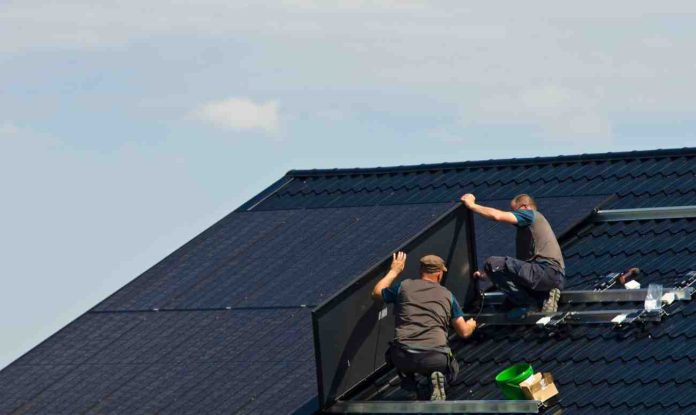
Solar energy is more than just a trend; it’s a vital solution for our planet’s future. It offers a cleaner, renewable source of power that can save you money in the long run. In this article, we aim to be your guide in selecting the right solar panel to meet your needs. Whether you’re a homeowner or a business, choosing the correct solar panel is crucial for maximizing benefits.
Why Go Solar?
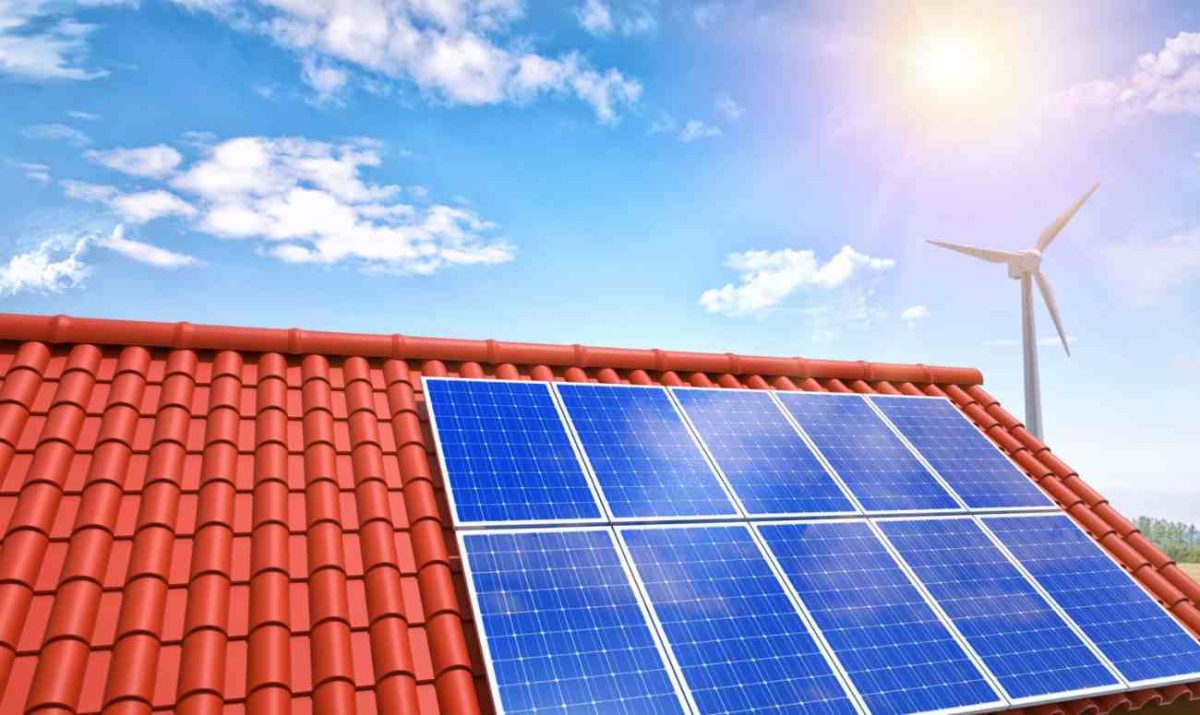
Going solar is more than just a responsible choice; it’s a game-changer on multiple fronts. Let’s start with the environmental benefits. Solar panels produce zero emissions, helping to reduce the carbon footprint and combat climate change. Unlike fossil fuels, solar energy doesn’t release harmful greenhouse gases. It’s a win for both you and Mother Earth.
Next, consider the financial aspect. Although the initial setup cost might seem high, the long-term savings are substantial. Solar panels can significantly reduce your electricity bills. Some regions even offer incentives, like tax credits or rebates, making the investment more appealing. Over time, you could save thousands of dollars, making it a smart financial decision.
Lastly, there’s the allure of energy independence. By generating your own electricity, you’re less dependent on the grid. This can be especially valuable in areas prone to power outages or high electricity costs. Having a solar setup can serve as a buffer, giving you greater control over your energy use and costs.
Types Of Solar Panels
When diving into the world of solar panels, you’ll encounter three main types: Thin-film, Monocrystalline, and Polycrystalline. Understanding the differences between these types is crucial for making an informed choice.
- Thin-Film Panels
Thin-film panels are the cheapest and least efficient of the three types, with efficiencies usually below 12%. They are made by applying a thin layer of photovoltaic material onto a solid surface like glass. These portable solar panels are lightweight and can be flexible, making them versatile for different applications. However, they require a lot more space to generate the same amount of energy as the other types.
- Monocrystalline Panels
Monocrystalline panels are made from single-crystal silicon. These panels are the most efficient, often exceeding 20% efficiency. They are also the most expensive. Their sleek, black appearance can be more aesthetically pleasing. They perform well in low-light conditions and take up less space due to their efficiency. If you have limited space and want high performance, these are a good option.
- Polycrystalline Panels
Polycrystalline panels are made from melted and recrystallized silicon. They are less efficient, usually ranging between 14% to 17% efficiency. However, they are generally cheaper than monocrystalline panels. They come in a bluish hue and may require more space for the same energy output. These are a reasonable choice for those on a tighter budget with ample installation space.
Factors To Consider
Choosing the right solar panel involves several key considerations.
- Efficiency
When we talk about efficiency in solar panels, we mean how well they convert sunlight into electricity. A higher efficiency percentage means more energy generation per square foot. This is crucial if you have limited space or want to maximize energy output.
- Budget
The financial aspect cannot be ignored. Initial costs for solar panels can range from a few thousand to tens of thousands of dollars. However, remember that higher-efficiency panels often yield long-term savings on your electricity bills. Also, many regions offer incentives like tax credits and rebates, which can make solar panels more affordable.
- Space Available
Your available space will dictate the type and number of panels you can install. Evaluate your roof’s size, orientation, and any potential obstructions like trees or chimneys. If your roof isn’t ideal, consider ground-mount options. These can be installed in your yard and may offer more flexibility for capturing sunlight.
- Energy Needs
Understanding your energy needs is essential for choosing the right solar panel. Start by calculating your household’s daily electricity consumption. You can usually find this information on your utility bill. Once you know your usage, you can match it to a panel’s output to ensure it meets your needs.
Each factor plays a significant role in determining which panel is the best fit for you. Balancing these considerations will help you make an informed decision, setting you on the path to a more sustainable and cost-effective energy solution.
Additional Features
Beyond the core factors like efficiency and budget, some extra features can tip the scales in favor of one panel over another.
- Weather Resistance: Some panels are designed to withstand hail, high winds, or heavy snowfall. If you live in an area with extreme weather conditions, investing in weather-resistant panels is advisable.
- Warranty Period: A longer warranty period is often a sign of a manufacturer’s confidence in their product. Typical solar panel warranties range from 10 to 25 years.
- Brand Reputation: Established brands usually offer better customer service, consistent quality, and reliable performance. Reviews and testimonials can also provide insights into a brand’s reputation.
These aspects offer added value and peace of mind, ensuring you get the most out of your solar panel investment.
Conclusion
Harnessing solar energy offers a pathway to a sustainable future and financial savings. By paying close attention to key factors and features, you set the stage for years of reliable, clean energy. So, go ahead and make the sun your ally in achieving energy independence today.