For years, Infinix phones have existed in a very specific category. Aggressively priced devices with flashy specs and strong value propositions, but rarely the kind of phones that genuinely felt like they were trying to challenge the premium market head-on.
The Note 60 Ultra feels different almost immediately.
This is not a company trying to make a “budget flagship killer.” This feels like Infinix finally deciding it wants to be part of the flagship conversation itself.
And honestly, the ambition here is difficult to ignore.
You have Pininfarina handling the design language, JBL tuning the audio system, MediaTek’s Dimensity 8400 Ultimate powering performance, and Thuraya enabling two-way satellite communication across more than 130 countries. On paper, it sounds excessive. Infinix threw every futuristic idea they had into a single device.
But after spending time looking through everything the phone offers, the interesting part is not how much is packed into it. It is how cohesive it all feels. Let’s dive deep and share everything you need to know about the Note 60 Ultra.
Quick Specs Summary
- Display: 6.78 inches, 1.5K, 144Hz, 4500nit, Gorilla Glass 7i
- Processor: MediaTek Dimensity 8400 Ultimate 5G
- RAM/Storage: 12GB RAM + 12GB Extended, 256GB or 512GB
- Rear Camera: 200MP (Samsung HPE) + 50MP periscope + 8MP ultrawide
- Front Camera: 32MP, f/2.2
- Video: 4K 60FPS, HDR 10+ at 4K 30FPS
- Battery: 7000mAh Silicon-Carbon
- Charging: 100W wired, 50W wireless
- Satellite: Two-way calling and SMS via Thuraya (130+ countries)
- Audio: JBL-tuned 360-degree dual stereo speakers
- OS: XOS 16, 3 years OS updates, 5 years security patches
- Extras: IR Blaster, eSIM, IP64, Active Matrix Display, NFC Touch Transfer
Design: Pininfarina’s First Smartphone Collaboration
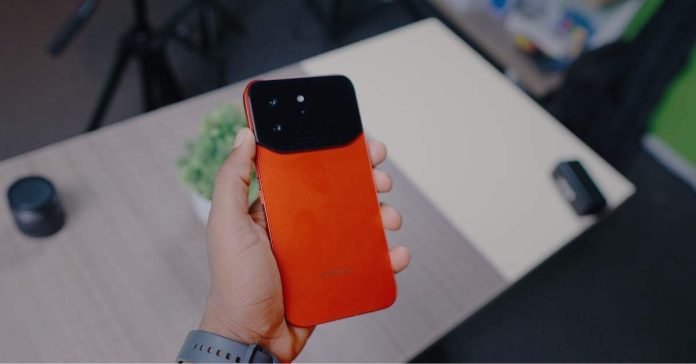
The first thing that hits you when you pick up the Note 60 Ultra is that Infinix clearly wanted this phone to feel expensive. And honestly, it does.
At a glance, the phone immediately stands apart from most devices in the market right now. The rear camera housing alone is enough to spark curiosity because it does not look like anything else on the market.
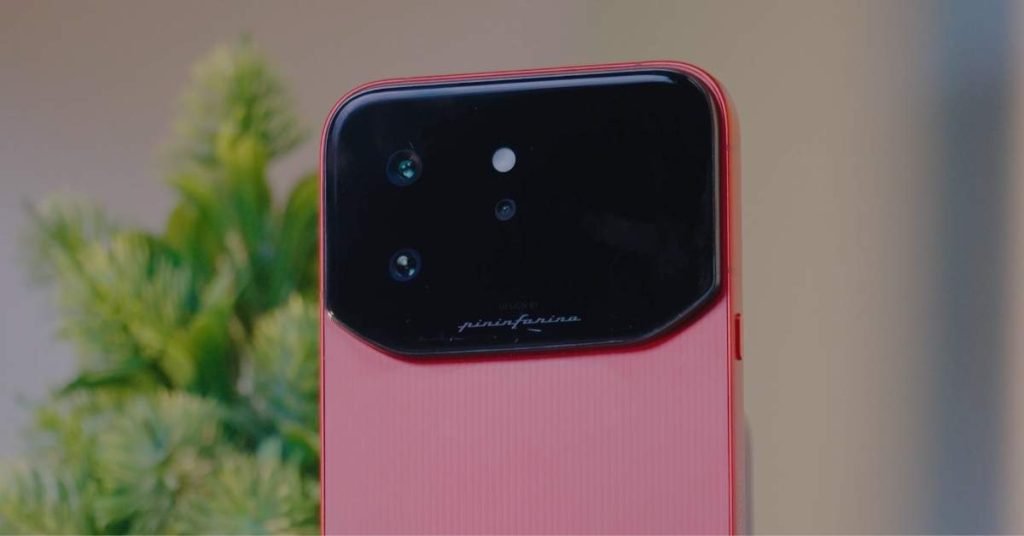
Instead of the usual giant circular camera bump or oversized rectangle, Infinix went with a hexagonal camera layout that feels far more aggressive and automotive-inspired. It looks bold without looking messy.
The entire camera island is covered by a single piece of Gorilla Glass Victus, which gives the back this smooth, uninterrupted finish that genuinely feels premium in the hand.
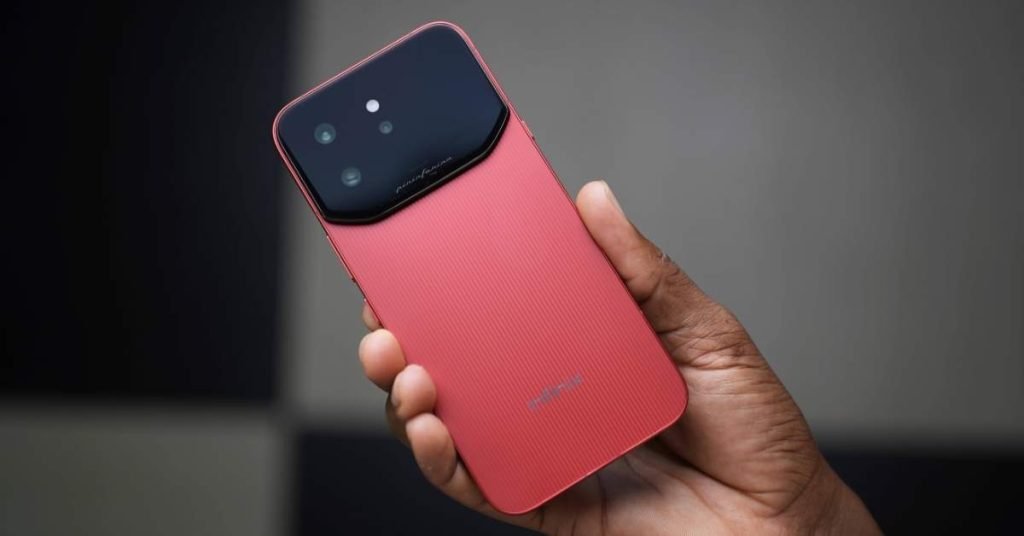
The matte finish feels clean, the curves are comfortable, and despite the large footprint, the phone has a surprisingly refined hand feel.
My unit is the Monza Red version, and it easily feels like the most eye-catching color option of the lineup. The styling has this unmistakable “performance car” energy to it, which makes sense once you remember Pininfarina was involved in the design process.
Then there is the Floating Taillight. And honestly, this is one of those features that videos and pictures do not fully capture.
A thin red light strip runs beneath the Pininfarina branding across the camera housing, lighting up during notifications, charging, and startup sequences. It sounds gimmicky on paper, but in person, it gives the phone a weird amount of personality. It feels dramatic in the same way sports car taillights do at night.
It is subtle enough not to become distracting, but distinctive enough that people notice it almost immediately.
The back panel also has a carbon fiber-inspired pattern underneath the glass. Visually, it looks fantastic. The only slight disappointment is that you cannot actually feel the texture itself. I kept expecting some tactile feedback when running my fingers across the back, but the finish stays smooth throughout.
On the frame, there are a few details that make the phone feel more experimental than most flagship devices.
What initially looks like a dedicated camera button on the right side is actually a heart rate sensor. And I am not going to lie, I genuinely wish Infinix made it a functional camera shutter button too because that would have elevated the photography experience even further.
On the opposite side, you get the One Tap button. This is one of those features that sounds minor until you actually start using it daily. You can map long presses to launch apps, shortcuts, or actions, and after a while, it becomes muscle memory.
Small quality-of-life additions like that usually matter more in long-term use than brands expect.
The JBL-tuned stereo speakers are solid, too. They get loud, dialogue sounds clean, and media consumption feels immersive enough, especially paired with the large display.
This is the first time one of their phones genuinely feels designed to compete emotionally, not just technically. The design and build quality feels solid.
Active Matrix Display: The Second Screen on the Back
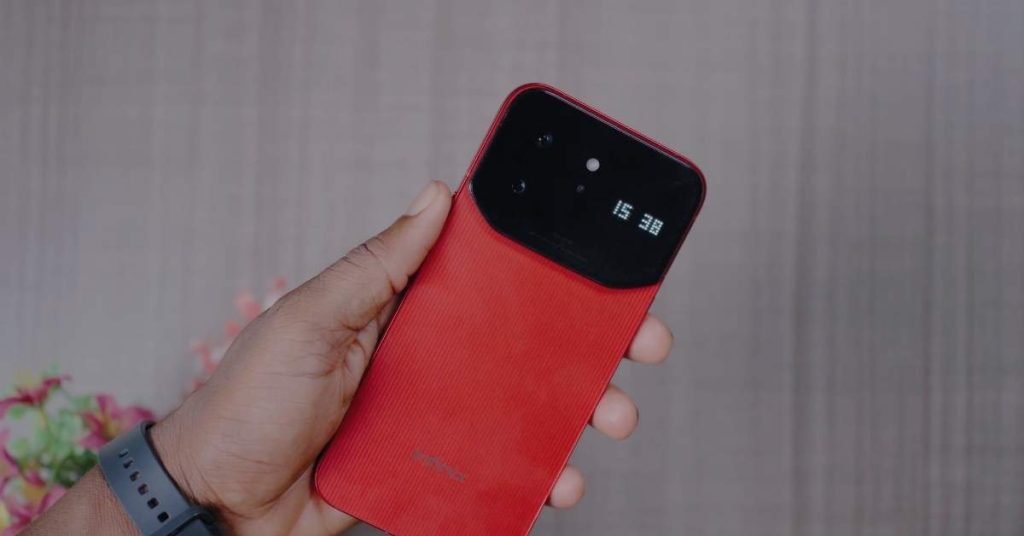
Before we talk about the main display, we need to discuss the Active Matrix Display on the back, because it is easily one of the most unusual features on the Note 60 Ultra.
At first, I thought it was going to be gimmicky. But after using it, I actually understand why Infinix included it.
The Active Matrix Display is a hidden pixel matrix screen built directly into the rear camera module. When inactive, it completely disappears into the design, so the back still looks clean and premium. But once notifications come in, the panel lights up with alerts, charging status, music controls, battery information, and other quick-glance details.
You can also trigger it by flipping or shaking the phone, and after a while, it becomes one of those small interactions you end up using naturally.
Customization is a big part of the experience, too. Infinix includes over 100 icon styles, and you can create your own pixel art designs through Matrix Studio using text, emojis, and brushes.
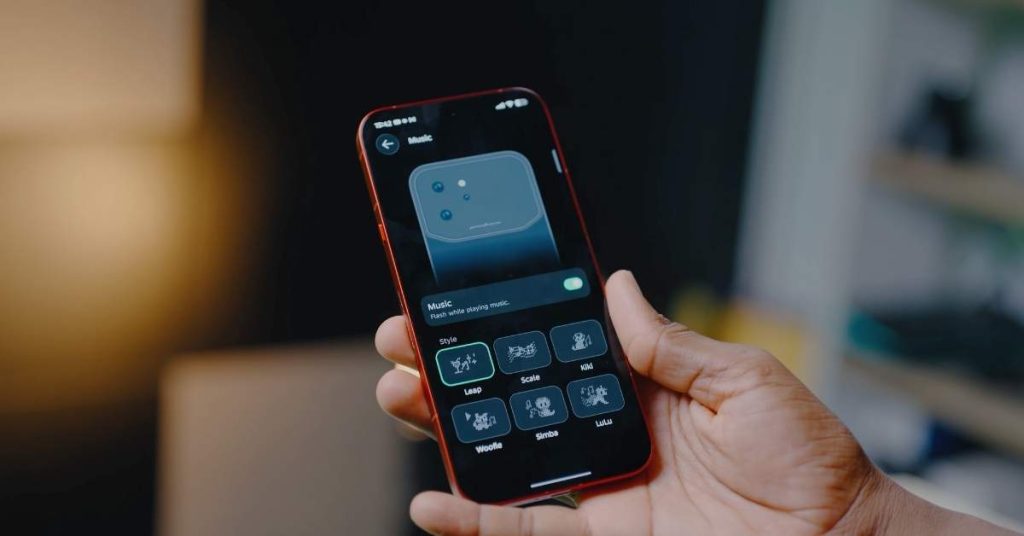
Then there are the pixel pets: Kiki the Cat, Woofie the Dog, Simba the Lion, and Lulu the Unicorn. Lulu only appears when two compatible Note devices are tapped together twice, which is such a random little detail that it honestly becomes charming.
There are even two built-in mini-games, Star Blast and Dot Dash, that work completely offline.
Display: 1.5K, 144Hz, 4500nit, Ultra HDR
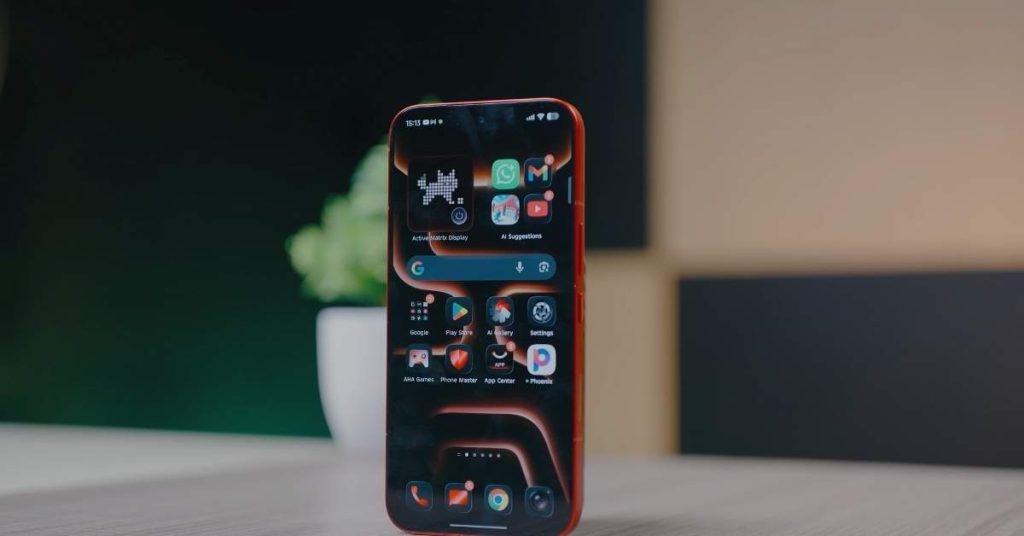
The Note 60 Ultra comes with a 6.78-inch AMOLED display with a 144Hz refresh rate, although realistically, most apps stay capped at 120Hz. Still, the overall experience feels smooth and responsive throughout daily use.
The panel itself is solid. You get a 1.5K resolution, slim bezels, Gorilla Glass 7i protection, and peak brightness that goes up to nearly 4500 nits. More importantly, the brightness actually holds up outdoors. Under direct sunlight, the screen remained perfectly visible without forcing me to max out brightness constantly.
The display is flat, which I personally prefer for gaming and typing, and the touch responsiveness feels excellent. Colors look natural instead of overly saturated, and paired with the large screen size, watching videos or gaming on this phone feels genuinely immersive.
The optical fingerprint scanner is also fast and reliable. I have had no issues with it so far.
One feature I did not expect to care about is the new Motion Sickness Relief technology. Infinix says it adjusts refresh timing and pixel transitions to reduce discomfort while using the phone inside moving vehicles. It sounds oddly specific, but if you are someone who scrolls through social media or watches content during long trips, it is a thoughtful addition.
The haptics also deserve mention because they feel surprisingly premium while typing. Not quite the best in the industry, but definitely closer to flagship territory than typical midrange feedback.
And honestly, that sums up the display experience as a whole.
It is not trying to reinvent smartphone displays or do anything wildly experimental. It is simply delivering the kind of polished, reliable flagship experience you expect at this price point.
At around one million naira, that is exactly what it should be doing.
Camera System: 200MP Main + 100x Periscope Zoom
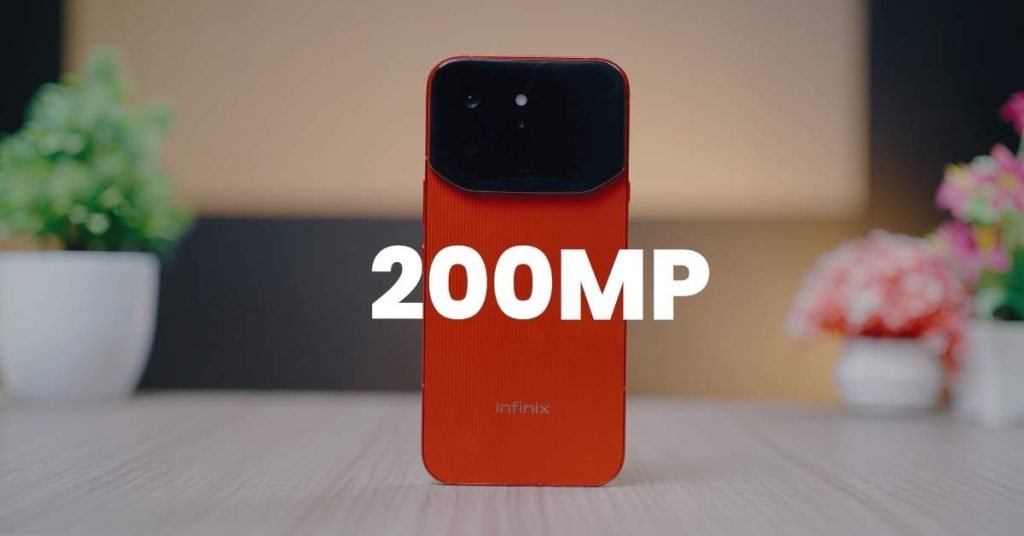
The Note 60 Ultra comes with a 200MP main camera using Samsung’s new ISOCELL HPE sensor with optical image stabilization. Alongside that, you get a 50MP telephoto lens, an 8MP ultrawide camera, and a 32MP selfie camera up front.
And honestly, this is one of the better camera systems I have used on an Infinix phone.
The 200MP mode is there if you want maximum detail, but realistically, the file sizes are massive, so I found myself sticking to the standard shooting mode most of the time.
The main camera produces sharp and clean images with solid dynamic range and good detail retention. What stood out to me more was how natural skin tones looked. The phone does not aggressively overprocess faces the way a lot of smartphones still do, and portrait shots came out surprisingly reliable. Low-light performance is also dependable.



Night shots retain good detail, highlights are handled nicely, and the phone does a decent job controlling bright light sources without making everything look artificially bright. It is not perfect, but it is consistent enough that I never felt nervous pulling out the camera at night.
The telephoto lens is actually my favorite part of the entire setup.
This is the camera I found myself using most while walking around because the focal length just makes photos feel more cinematic and intentional. Colors stay balanced, detail is strong, and overall, the shots look really good. In lower lighting conditions, though, you can still see the limitations once the light starts dropping too much.
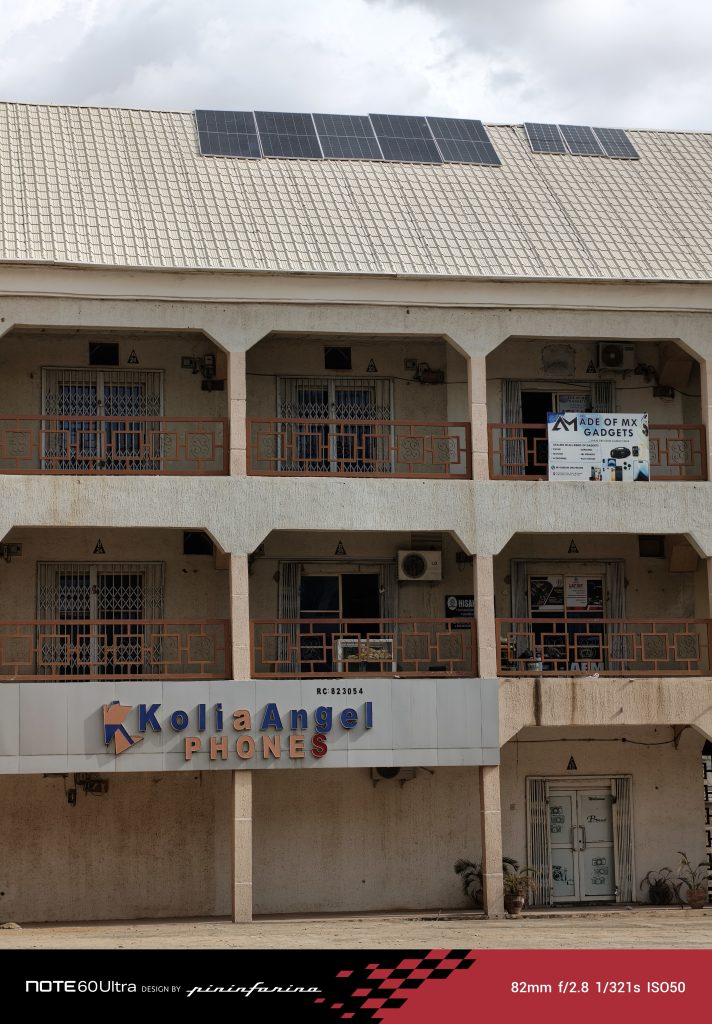

You can zoom all the way up to 100X, but realistically, I think the sweet spot is around 10X. Once you go beyond that, the details start falling apart quickly, and the images become less usable.
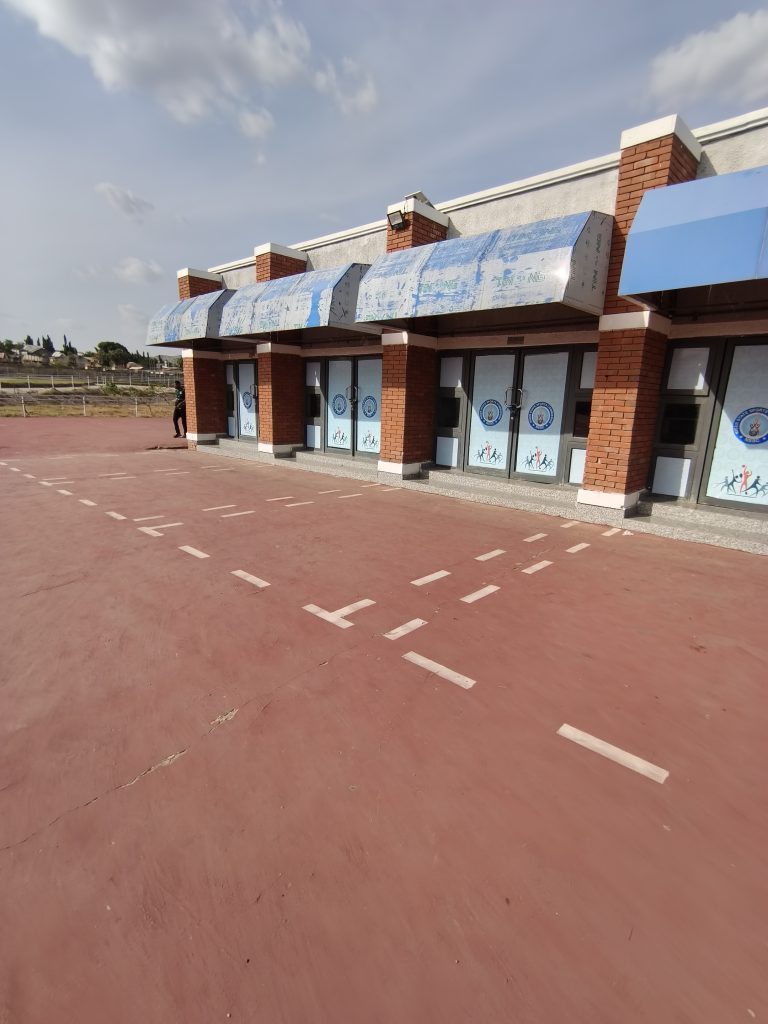
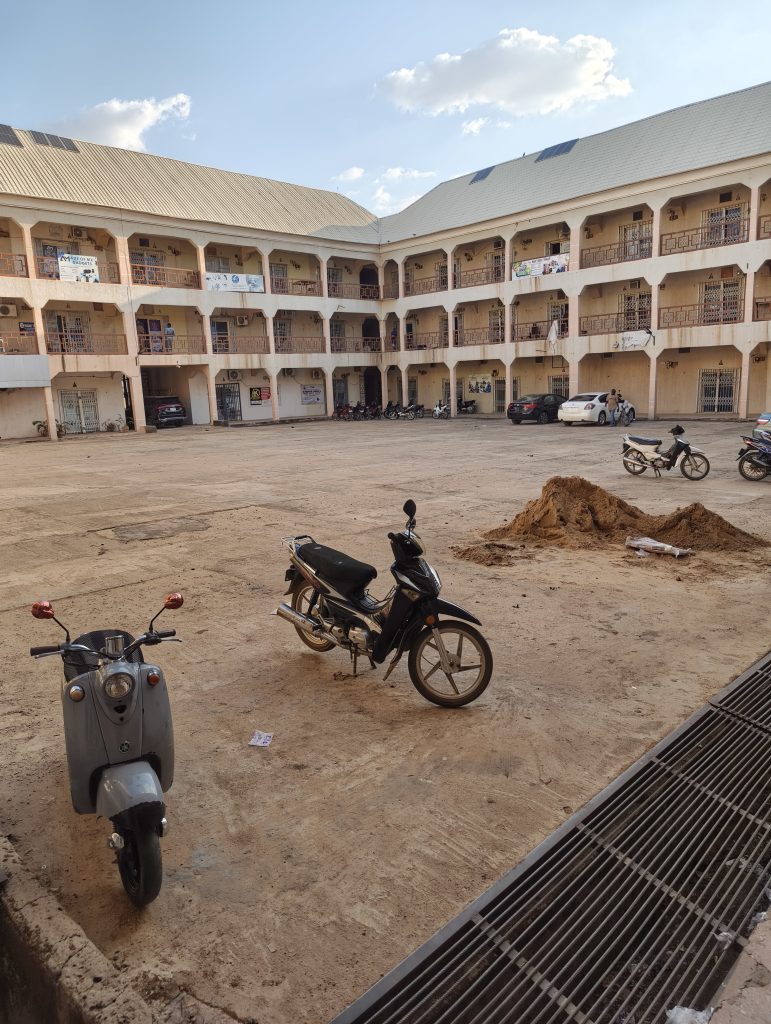
The ultrawide camera also performs better than expected. I initially assumed the 8MP sensor would mostly exist to complete the spec sheet, but the photos actually come out decent. Colors remain consistent with the main lens, and dynamic range is handled nicely enough for daylight shots.
The 32MP selfie camera is solid, too. Skin detail looks good, colors stay warm, and thankfully, the processing does not go overboard with smoothing.
For video, the Note 60 Ultra can record 4K at up to 60FPS using both the main and telephoto cameras, while the ultrawide lens tops out at 2K. The selfie camera can also shoot 4K, although only at 30FPS.
You also get stabilization while recording at 1080p with both the main and ultrawide cameras.
And honestly, the overall 4K footage from the main camera impressed me more than expected. It is stable, detailed, and reliable enough that I would comfortably use this phone for casual content creation or social media work without hesitation.
Performance: MediaTek Dimensity 8400 Ultimate 5G
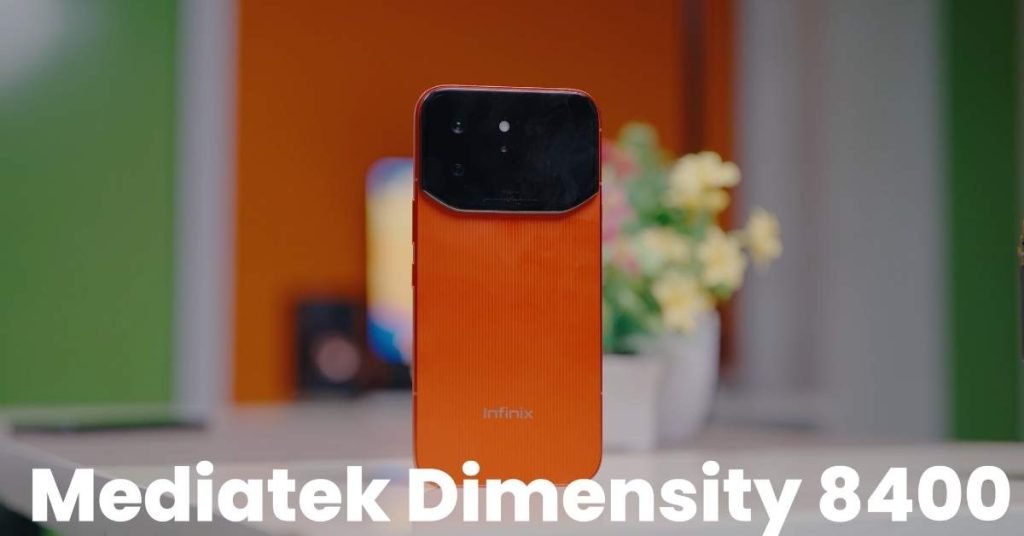
The MediaTek Dimensity 8400 Ultimate is described as the first All Big Core chip built for premium smartphones.
What that means in practice is that all eight Arm Cortex-A725 cores are used for real work, without the efficiency-core bottleneck that slows down midrange chips.
Infinix reports an AnTuTu V10 score of over 2,090,000, a 41% gain in multi-core performance over previous midrange chips, with 44% lower peak power draw.
Overall performance compared to the Note 50 Pro 5G is up by 32 percent.
Gaming performance supports up to 120 frames per second in titles like Mobile Legends, PUBG Mobile, Free Fire, Call of Duty Mobile, and Honor of Kings.
Infinix pairs this with a self-developed Optimization Engine that provides chip-level tuning typically reserved for 9000-series flagships.
The results are tangible: available memory increases by up to 30 percent, high-load fluency improves by 25 percent, interface responsiveness during fast scrolling improves by 30 percent, and multitasking speed gains 15 percent.
Thermal management is handled by Infinix’s 3D IceCore Cooling System.
The Note 60 Ultra gets a 5142mm squared vapor chamber area, a perforated metal unibody structure, and a 0.36mm high thermal conductivity copper sheet that connects the core heat source directly to the vapor chamber.
During one hour of PUBG at 90FPS, the system keeps the SOC temperature 3 degrees cooler than the previous generation hardware.
Battery and Charging: 7000mAh Silicon-Carbon Cell
The 7000mAh silicon-carbon negative electrode battery is the largest Infinix has ever shipped in a Note phone.
Compared to the Note 50 Pro Plus 5G’s 5200mAh cell, that is a 34.62 percent increase in capacity.
The silicon content in the anode has doubled from 5 percent to 10 percent, enabling higher energy density of 830Wh/L without increasing the physical size of the cell. Infinix claims up to 27.2 hours of continuous video playback.
Charging is handled at 100W wired, getting you to 50 percent in 18 minutes and full charge in 48 minutes.
Wireless charging comes in at 50W, compatible with Infinix’s MagCharge accessory family.
The phone also supports Adaptive Bypass Charging, which routes power from the charger directly to the phone during intensive tasks like gaming, bypassing the battery entirely to reduce heat and prevent unnecessary charge cycles.
The Battery Self-Healing Technology is a genuinely unique feature. A software-controlled low current creates a protective layer that repairs micro-cracks in the battery cells as they form, slowing down long-term capacity degradation. The system recovers 1 percent of battery health every 200 charging cycles.
Satellite Communication: Two-Way Calling via Thuraya

This is the feature that separates the Note 60 Ultra from everything else in its class, and arguably from most flagship phones globally.
Through a partnership with Thuraya, part of Space42, the Note 60 Ultra supports full two-way satellite calling and SMS without any extra registration, functioning like automatic carrier-style roaming.
You need a Thuraya satellite SIM card, but beyond that setup, the experience is designed to be seamless.
The satellite coverage spans over 130 countries, including the entire African continent, Europe, the Middle East, and most of Asia.
This is significant because existing consumer satellite phones typically focus on North America or China.
The Note 60 Ultra is the first phone to take this globally with Direct-to-Cell technology. Voice calls are supported at up to 4kbps quality, which Infinix says exceeds the industry standard. Bluetooth headset mode is anticipated for use in high-wind environments.
Nigeria is explicitly listed in the satellite coverage area. For Nigerian users, this means you have a fallback communication option that goes beyond network towers.
Whether you are traveling to rural areas, covering news in the field, or just want the security of knowing you can always reach someone, the Note 60 Ultra covers that.
Software, AI, and Long-Term Support
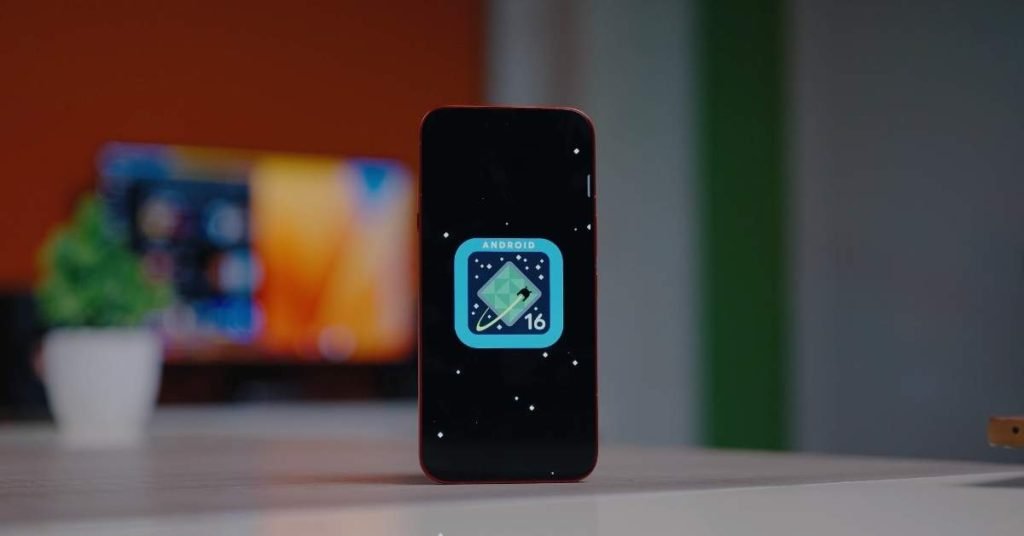
The Note 60 Ultra ships with XOS 16, which introduces Glow Space, a visual design language using light, shadow, and gradients to make icons and UI elements feel dynamic.
3D depth wallpapers and smooth animations add to the immersive feel. The software commitment is 3 years of full OS updates and 5 years of security patches, the longest Infinix has ever offered.
The Infinix AI Suite covers photo editing tools like image matting, object erasure, and photo expansion in the extended AI Studio.
SnapMemo MindHub helps you organize notes and research. The AI Wallpaper Generator creates fresh designs on demand. AI models, including Grok, power the suggestions tool. No app downloads or subscriptions required. Everything runs natively on the device.
Infinix Touch Transfer uses NFC to enable one-tap file sharing between Infinix and iPhone, including Live Photos.
This marks the first time the NOTE series supports true cross-ecosystem transfer. Other extras include an IR Blaster, eSIM support, and IP64 splash and dust resistance.
Final Verdict: Is the Infinix Note 60 Ultra Worth It?
The Infinix Note 60 Ultra is a statement phone. It is not trying to be a budget device that punches above its weight. Infinix is openly competing with the top tier, and the hardware it brings to that fight is genuinely impressive.
A 200MP sensor with 100x zoom, a 7000mAh silicon-carbon battery with 100W fast charging, two-way satellite communication on Thuraya’s global network, Pininfarina design language with a world-first camera module construction, and the Dimensity 8400 Ultimate delivering over two million AnTuTu points, all of that in one phone is not a short list.
For many users, the satellite capability is a huge differentiator. It is a practical advantage. Add the 7000mAh battery built for power outage realities, the JBL speakers for content consumption, and the AI tools that work offline, and you have a device designed with resilience in mind.
The phone has every ingredient to compete on the global market, as it has some features and abilities that even more expensive phones don’t have. Whether the Note 60 Ultra succeeds or not, one thing is clear: Infinix is no longer building phones that want to stay in the background.