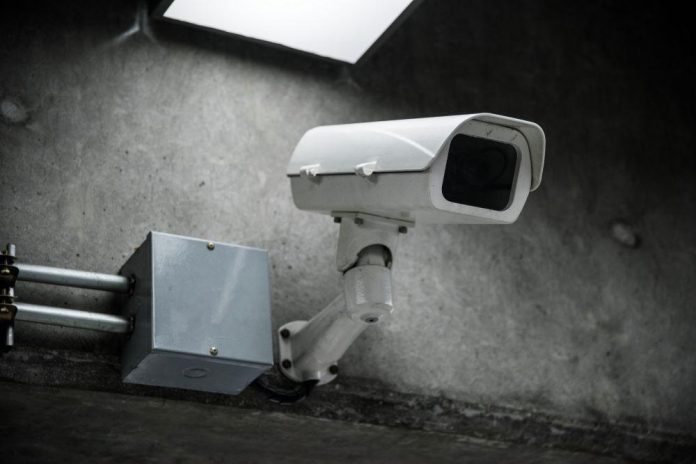
Border security is a critical issue that governments worldwide face as they strive to protect their countries from illegal activities such as smuggling, trafficking, and illegal immigration. To enhance border security, governments use various technologies, including many types of cameras.
EO cameras are a powerful tool that can capture high-quality images and videos of border areas, allowing border security agencies to detect and respond to any threats quickly. In this article, we will explore the role of these cameras in border security, their applications, their advantages, and the challenges involved in using them. EO camera stands for “Electro-Optical” camera, which uses electronics and optics to capture images and videos. They capture images in the visible light spectrum and other wavelengths, such as infrared and ultraviolet. And somehow it is related to Floodlight cameras.
EO Camera Technology
The technology includes a lens, an image sensor, and image processing algorithms. The lens focuses light onto the image sensor, which converts the light into an electrical signal. The electrical signal is then processed by algorithms that enhance the image quality and adjust the exposure and other parameters. An EO camera may incorporate additional features such as image stabilization, zoom, and thermal imaging capabilities. These features enable it to capture high-quality images and videos in various conditions and applications, including space exploration, aerial photography, and border security.
Border security detects and monitors illegal activities, such as smuggling, trafficking, and illegal immigration. Border security agencies use these cameras to capture high-resolution images and videos of border areas, allowing them to detect suspicious activities and respond quickly to any threats. They can also track the movement of people and vehicles across borders, providing valuable information to border security agencies. Additionally, they can operate in various conditions, including low-light environments and adverse weather conditions, making them an essential tool for border security operations. By using this type of camera, border security agencies can enhance their surveillance capabilities, improve situational awareness, and better protect their borders.
Applications in Border Security

EO technology is increasingly being used in border security to monitor and detect illegal activities such as smuggling, trafficking, and illegal immigration. The ability of the cameras to capture high-quality images and videos of border areas in real-time makes them an essential tool for border security agencies. One of the primary applications of border security is surveillance. It can be strategically placed in border areas to provide continuous coverage, enabling border security agencies to monitor the border in real-time. The cameras can be programmed to capture images and videos at regular intervals or be triggered to record when they detect movement. Border security agencies can see any suspicious activity and respond appropriately and quickly.
They can capture clear images and videos of individuals or vehicles attempting to cross the border illegally. It can also be equipped with advanced analytics and machine learning algorithms to detect abnormal activity and alert border security agencies. This enables border security agencies to respond quickly to any threats and prevent illegal activities from occurring.
Another advantage is its ability to operate in various environmental conditions. For example, it can capture images and videos in low-light conditions, and some cameras can even capture images and videos in complete darkness using infrared technology. Additionally, it can withstand harsh weather conditions, including extreme temperatures, high winds, and heavy rain, making them ideal for use in remote border areas.
Advantages of Using in Border Security
EO camera offers several advantages when used in border security operations. Firstly, it allows for real-time monitoring of border areas. This helps in detecting and responding to any suspicious or illegal activities quickly. It can be programmed to detect motion or sound and send alerts to border security agencies in case of any unusual activity, enabling them to take immediate action.
Secondly, it enhances situational awareness and response capabilities: it can capture high-quality images and videos of border areas, providing border security agencies with a clearer understanding of the situation. The ability to see a clear picture of the situation allows border security agencies to make informed decisions and respond more effectively. This, in turn, leads to a higher level of situational awareness and faster response times, ultimately improving border security.
Challenges of Using EO Systems in Border Security
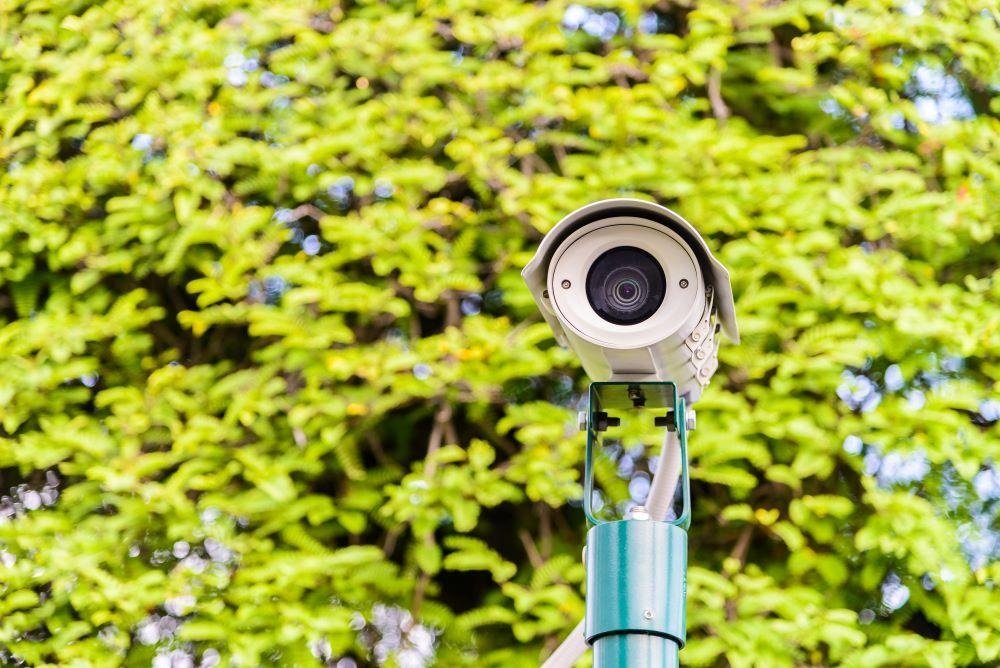
Despite the advantages of using an EO camera in border security, border security agencies face several challenges when deploying and maintaining EO technology. The first challenge is its maintenance and calibration. These cameras require regular maintenance and calibration to ensure they function correctly and capture high-quality images and videos. If a camera is not calibrated perfectly, it may not be able to detect or record suspicious activities, compromising border security. Therefore, border security agencies must invest time and resources to ensure that it is correctly maintained and calibrated.
The second challenge is the high cost of EO technology. It is relatively expensive compared to other surveillance technologies, and border security agencies may require a significant budget to purchase and maintain them. This high cost can limit the deployment of cameras, particularly in regions with limited resources.
The third challenge is privacy concerns and ethical considerations. They can capture high-quality images and videos of individuals and vehicles, which can raise privacy concerns. Border security agencies must ensure that individuals’ privacy rights are not violated. They should also consider ethical considerations, such as using facial recognition technology and the potential for bias and discrimination.
Conclusion
In conclusion, an EO camera is a powerful tool in border security operations. They offer real-time monitoring, enhance situational awareness and response capabilities, and capture high-quality images and videos. However, their usage has several challenges, such as maintenance and calibration, high cost, and privacy concerns. Border security agencies also must address these challenges and use them ethically and effectively to ensure the safety and security of their nations. Despite the challenges, the benefits of using EO technology in border security outweigh the costs, and they will likely continue to play an essential role in border security oper